Understanding female physiology
As women, we’re built to move, think, and perform differently from men — our body composition, hormonal profile, nervous system, and musculoskeletal structure are uniquely female, and that shapes how we need to sleep, fuel, recover, and train. Our hormones influence nearly every system in the body. Oestrogen alone plays a role in bone density, tendon, ligament and muscle strength, fat storage and distribution, and how the body regulates heat and responds to stress.
Our hormones don’t just fluctuate month to month; they shift across entire life stages — from puberty, through your reproductive years, pregnancy, perimenopause and menopause — and each stage changes what your body actually needs to thrive and survive.
With Q Move Fitness as your fitness, health, and performance coach, you’ll gain a genuine understanding of how your body works. You’ll learn how your body changes over time, how to train and fuel in a way that actually suits your unique physiology, how to prioritise the rest and recovery your body needs, and how to build strength and resilience that carries you through every stage of life.
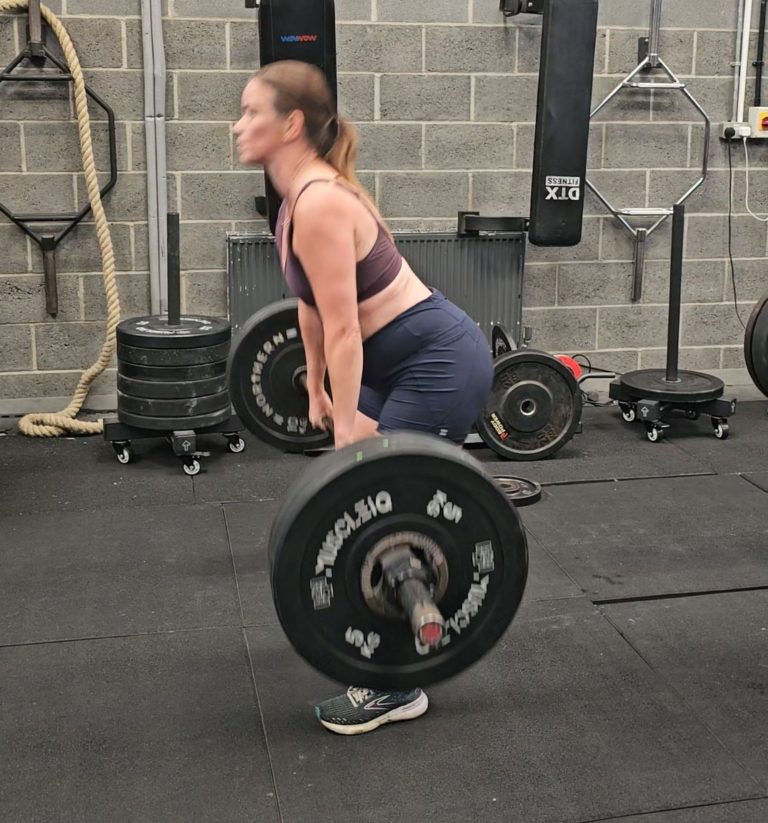
Our female physiology in action
Harnessing the power of our female hormones
Hormones are the body’s master regulators, quietly orchestrating everything from metabolism and mood to energy, muscle strength, and fat distribution. When hormone levels shift, as they naturally do throughout the menstrual cycle, pregnancy, perimenopause, and beyond, we feel the effects in almost every area of our lives.
For women, these hormonal shifts are particularly significant. Oestrogen and progesterone influence how your body stores fat, retains water, repairs muscle, and manages energy and mood.
It’s part of why you might feel strong and driven one week and flat or depleted the next. Those shifts in energy and motivation are natural and essential for protecting our physiological, psychological, and reproductive health.
Once you understand your own patterns and tune into how your hormones show up for you, you can work with your body instead of fighting it. This might mean adjusting intensity on a low-energy day, prioritising recovery and nutrition around the symptoms that actually affect you, and tracking your own experience over time so that your training reflects reality, not a generic plan built without your physiology in mind.

The Female Q-Angle
Our female hips are naturally wider than men’s (to help with childbirth), creating a steeper Q-angle, the angle between your quad muscle and kneecap tendon, which affects how your knee tracks and makes it more vulnerable to injury during running and jumping.
It’s a big reason why female athletes are far more likely than male athletes to suffer ACL tears in sport. The good news: strengthening your glutes, hips and core measurably improves how you land and change direction, cutting that risk significantly, at any age.
Why strength training matters for women
- Preventing muscle loss
- Protecting our bone health
- Boosting our metabolism
- Enhancing brain function
- Improving mental health and lowering chronic stress
- Preventing falls as we age
- Reducing risk of chronic conditions e.g. type 2 diabetes, heart disease
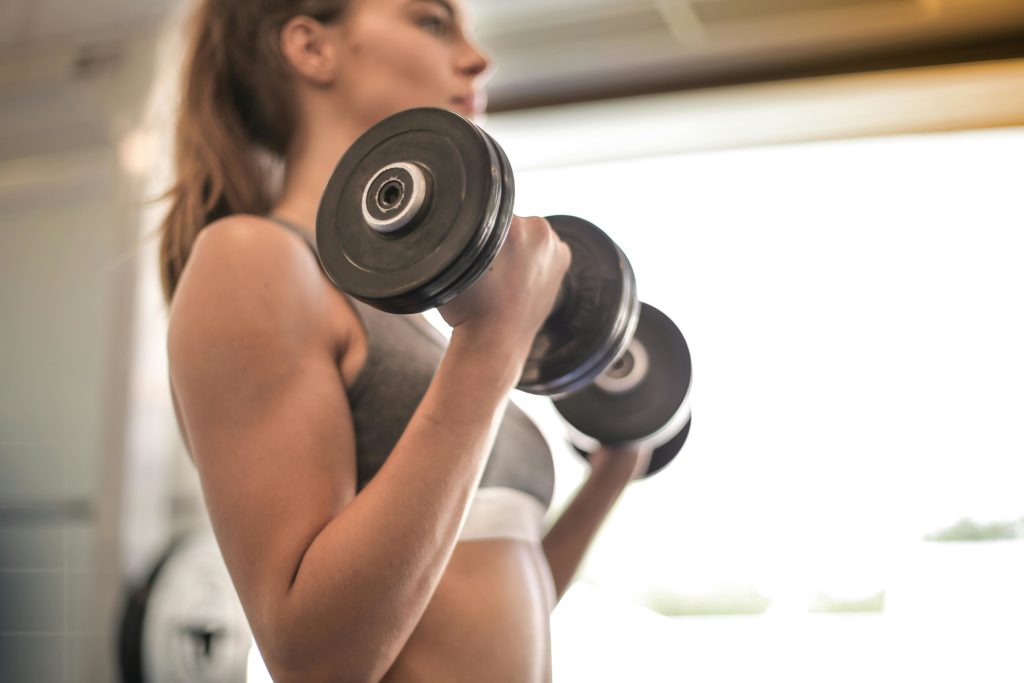
Improving our strength, speed, power and agility is incredibly important for women’s health, especially as we age — not just for fitness, but for long-term health, independence and confidence.
From around age 30, women naturally lose 3-5% of their muscle mass each decade unless we actively stress our muscles with load — what’s often called resistance training. Strength and conditioning is equally beneficial for teen girls, but it’s important to ensure your daughter isn’t overtraining, dieting, or training without proper supervision.
Building strength, speed and power supports physical, mental and metabolic health, keeps bones and muscles robust, and helps women live longer, more active, independent lives.